
What are Common Problems with Wolf Ovens?
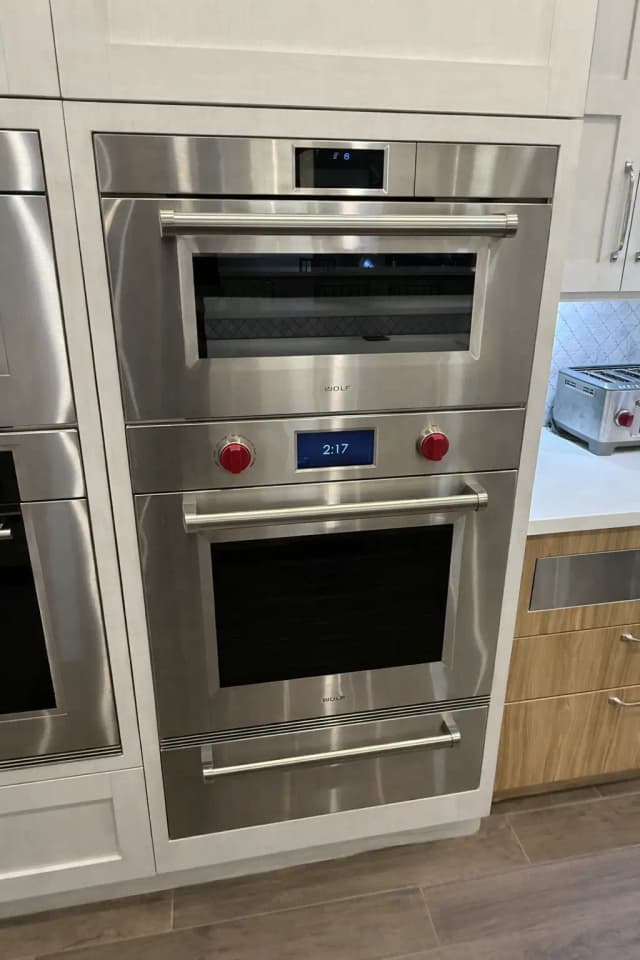
Wolf ovens are known for precision cooking, premium build quality, and long-term reliability. However, even high-end appliances can develop issues over time—especially with regular use, heat exposure, and complex electronic controls. Understanding common problems with Wolf ovens helps homeowners recognize early warning signs, avoid costly damage, and decide when professional service is needed.
If you’re researching Wolf oven issues or considering Wolf oven repair in the Bay Area, this guide breaks down the most frequent problems, why they happen, and what they usually mean.
Why Wolf Ovens Require Specialized Repair
Unlike standard ovens, Wolf Appliances ovens use advanced temperature sensors, convection systems, control boards, and safety features. These components deliver excellent performance—but they also require accurate diagnostics and brand-specific knowledge when something goes wrong.
Attempting DIY repairs or hiring a general appliance technician often leads to misdiagnosis, repeated failures, or unnecessary part replacements.
Most Common Wolf Oven Problems Homeowners Experience
1. Oven Not Heating Properly
One of the most common complaints is an oven that does not heat properly:
- Takes too long to preheat
- Does not reach the set temperature
- Heats unevenly
Possible causes include:
- Faulty temperature sensor
- Failing heating element
- Control board communication issues
- Calibration problems
Even small temperature inaccuracies can ruin cooking results, especially for baking. Professional calibration and testing are usually required.
2. Uneven Cooking or Hot Spots
If food cooks unevenly—burning on one side while undercooked on the other—the issue is often related to airflow.
Common culprits:
- Worn or failing convection fan motor
- Obstructed airflow inside the oven cavity
- Fan not cycling properly
Ignoring airflow issues can place extra stress on heating components and reduce oven lifespan.
3. Oven Won’t Turn On
A Wolf oven that doesn’t power on at all can be alarming. This problem is usually electrical and may involve:
- Failed control board
- Damaged wiring or connectors
- Tripped internal safety fuse
- Power supply or relay issues
Because Wolf ovens contain high-voltage components, this type of issue should never be handled without professional training.
4. Error Codes on the Display
Wolf ovens are designed to alert homeowners when something isn’t right. Error codes often indicate problems with:
- Temperature sensors
- Door locks
- Control boards
- Communication between components
While resetting the oven may temporarily clear the code, recurring errors mean the underlying issue still exists and should be diagnosed properly.
5. Oven Door Won’t Lock or Unlock
Door lock issues are common, especially after self-clean cycles.
Typical symptoms include:
- Door stuck locked after cleaning
- Door won’t lock before a cleaning cycle
- Error messages related to door lock mechanism
This problem is usually tied to:
- Failed door lock motor
- Faulty switch or sensor
- Control board miscommunication
Continuing to force the door can lead to costly damage.
6. Self-Clean Cycle Problems
While convenient, the self-clean feature is one of the most stressful operations for any oven.
Common issues after self-cleaning include:
- Oven not turning back on
- Error codes appearing immediately after
- Control board failure due to extreme heat
Many Wolf oven repairs stem directly from self-clean cycles. Professional guidance on when—and whether—to use this feature can help prevent failures.
7. Display or Touch Controls Not Responding
Modern Wolf ovens rely heavily on electronic interfaces. When displays flicker, buttons stop responding, or settings won’t save, the cause may be:
- Control board degradation
- Moisture intrusion
- Heat-related electronic wear
These issues often worsen over time if not addressed early.
8. Oven Shuts Off During Use
An oven that turns off mid-cycle can indicate a safety-related problem, such as:
- Overheating protection activating
- Failing temperature sensor sending incorrect readings
- Electrical interruptions
This symptom should be taken seriously, as it can affect both performance and safety.
9. Excessive Noise During Operation
While some fan noise is normal, loud or unusual sounds are not.
Common noise sources include:
- Worn convection fan bearings
- Loose internal components
- Failing cooling fan
Addressing noise early can prevent secondary damage to other parts.
What Causes These Problems Over Time?
Even premium ovens are affected by normal wear. The most common contributing factors include:
- High cooking temperatures used frequently
- Long-term heat exposure to electronic components
- Grease and food debris buildup
- Improper installation or ventilation
- Delayed repairs for minor symptoms
Bay Area homes, especially those near coastal environments, may also experience humidity-related electronic issues over time.
Is It Worth Repairing a Wolf Oven?
In many cases, yes.
Wolf ovens are built to last 15–20 years or more. If your oven is under 15 years old and the issue is isolated (sensor, fan, control board, element), repair is often far more cost-effective than replacement.
Repair usually makes sense when:
- The oven is structurally sound
- Performance issues are recent
- Replacement would require cabinetry modifications
- You want to preserve a premium kitchen setup
A professional diagnosis is the best way to make an informed decision.
How to Prevent Common Wolf Oven Problems
While no appliance is maintenance-free, these steps can reduce issues:
- Clean spills promptly to avoid baked-on residue
- Use self-clean sparingly and only when necessary
- Avoid slamming or forcing the oven door
- Address error codes early instead of resetting repeatedly
- Schedule service at the first sign of performance changes
Preventive care often saves hundreds—or thousands—over the life of the appliance.
Schedule Wolf Oven Repair in the Bay Area
If your Wolf oven isn’t heating properly, shows error codes, shuts off unexpectedly, or has control issues, professional service is essential. High-end appliances demand accurate diagnostics, quality parts, and experienced technicians.
Delta High End Appliance Repair specializes in premium appliance service for luxury kitchens throughout the Bay Area.
Call (415) 666-6797 to schedule Wolf oven repair in the Bay Area and protect the performance and longevity of your appliance.
Frequently Asked Questions About Wolf Oven Problems
Why is my Wolf oven not reaching temperature?
This issue is most often caused by a failing temperature sensor, a worn heating element, or an oven that is no longer properly calibrated. When the sensor sends incorrect readings to the control board, the oven may shut the heat off too early or never reach the set temperature. Professional diagnostics are important to confirm the exact cause and restore accurate, consistent cooking performance.
Are Wolf oven error codes serious?
Yes, Wolf oven error codes are designed to alert you to real system problems, not minor glitches. These codes often point to issues with sensors, door locks, control boards, or internal communication errors. While resetting the oven may temporarily clear the message, the underlying issue usually remains and should be professionally diagnosed to prevent further damage.
Do Wolf ovens last longer than standard ovens?
Generally, yes—Wolf ovens are engineered with higher-quality materials and components than many standard residential ovens. With proper installation, routine care, and timely repairs, a Wolf oven can often last 15 to 20 years or more. Ignoring warning signs or delaying repairs, however, can significantly reduce its lifespan.
Is self-cleaning bad for Wolf ovens?
The self-clean cycle exposes the oven to extremely high temperatures, which can put stress on electronic components such as control boards, sensors, and wiring. Many Wolf oven service calls occur after a self-clean cycle causes electrical or communication failures. Using self-clean sparingly—or opting for manual cleaning when possible—can help protect your oven and extend its overall Wolf oven lifespan.