
What are Common Problems with Sub-Zero Refrigerators?
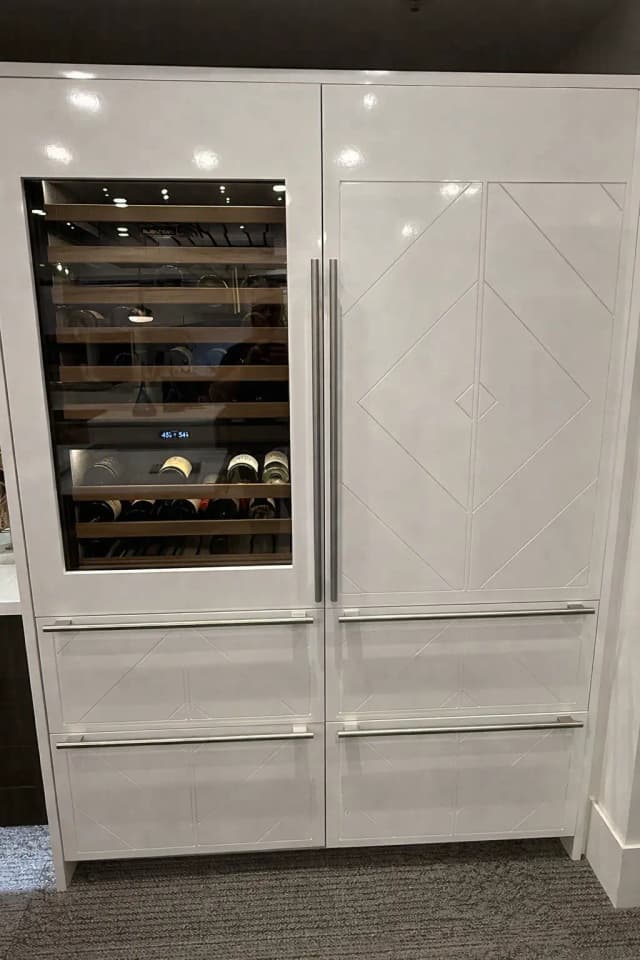
Sub-Zero refrigerators are widely recognized for their premium design, advanced food-preservation technology, and long service life. Built for luxury kitchens, these units often last far longer than standard refrigerators—but they are also more complex. Understanding the most common problems with Sub-Zero refrigerators can help homeowners identify early warning signs, prevent costly damage, and know when professional repair is necessary.
If your refrigerator is not cooling properly, making unusual noises, or showing signs of moisture or frost, this guide explains what may be happening and why expert service matters.
Why Sub-Zero Refrigerators Are Different
Sub-Zero refrigerators use dual-compressor systems, sealed refrigeration technology, advanced airflow management, and precise electronic controls. These features keep food fresher longer—but they also mean that Sub-Zero refrigerators require specialized diagnostics and repair experience.
Many problems that appear “minor” on the surface can signal deeper system issues if left unaddressed.
Most Common Problems with Sub-Zero Refrigerators
1. Refrigerator or Freezer Not Cooling Properly
Cooling issues are among the most frequent complaints. Symptoms may include:
- Refrigerator section too warm
- Freezer not holding temperature
- Food spoiling faster than normal
Common causes include:
- Dirty or restricted condenser coils
- Failing evaporator fan motor
- Sealed system or refrigerant issues
- Faulty temperature sensors
Because Sub-Zero units rely on precise temperature balance, even a small cooling issue should be addressed promptly.
2. Frost or Ice Buildup Inside the Unit
Ice or frost buildup—especially on the freezer walls or around vents—often indicates an airflow or defrost issue.
Possible reasons include:
- Defrost system malfunction
- Door gasket not sealing properly
- Evaporator fan problems
- Moisture entering due to door alignment issues
Left untreated, frost buildup can reduce efficiency and strain the cooling system.
3. Refrigerator Running Constantly
If your Sub-Zero seems to run nonstop, it’s usually trying—and failing—to maintain the correct temperature.
This can be caused by:
- Dirty condenser coils
- Failing compressor components
- Door seal leaks
- Sensor or control board issues
Constant operation increases energy use and accelerates wear on expensive components.
4. Water Leaks or Moisture Under the Refrigerator
Water pooling beneath or inside the refrigerator is never normal.
Common causes include:
- Clogged or frozen drain lines
- Defective water inlet valve
- Ice maker line leaks
- Improper leveling
Water leaks should be addressed quickly to prevent cabinet damage, mold growth, and electrical issues.
5. Ice Maker Not Working or Producing Poor Ice
Ice maker problems are very common in Sub-Zero refrigerators.
Homeowners may notice:
- No ice production
- Small, hollow, or misshapen ice
- Ice tasting or smelling unpleasant
These issues often stem from water supply problems, faulty ice maker components, or temperature inconsistencies in the freezer.
6. Loud or Unusual Noises
While Sub-Zero refrigerators are not silent, new or loud noises usually signal trouble.
Common sounds include:
- Buzzing or humming from compressors
- Clicking or popping
- Grinding or rattling
These noises may indicate failing fan motors, compressor strain, or loose internal components.
7. Temperature Fluctuations
If the temperature inside your refrigerator or freezer rises and falls unpredictably, food safety and performance are at risk.
Possible causes include:
- Faulty temperature sensors
- Control board communication issues
- Airflow obstructions
- Door seal problems
Temperature instability is often an early warning sign of a larger system issue.
8. Control Panel or Display Issues
Modern Sub-Zero refrigerators rely heavily on electronic controls. When displays flicker, buttons stop responding, or settings won’t hold, it usually points to:
- Control board degradation
- Power supply issues
- Moisture or heat-related electronic wear
Electronic problems rarely resolve on their own and typically worsen over time.
9. Condensation Inside or Outside the Refrigerator
Excess moisture around doors, shelves, or exterior surfaces may indicate:
- Door gaskets losing elasticity
- High humidity combined with airflow issues
- Improper temperature calibration
Condensation can lead to mold, odors, and premature component failure if ignored.
What Causes These Problems Over Time?
Even high-end refrigerators experience wear. Common contributing factors include:
- Normal aging of electronic and mechanical parts
- Lack of condenser coil cleaning
- Heavy daily use
- High humidity environments
- Delayed repairs for early warning signs
In Bay Area homes—especially coastal areas—humidity and salt air can accelerate corrosion and electrical wear.
Is It Worth Repairing a Sub-Zero Refrigerator?
In most cases, yes.
Sub-Zero refrigerators are designed to last 20 years or more when properly maintained. Many common problems—such as fan motors, sensors, ice maker components, and control boards—are very repairable and far less expensive than full replacement. If you want a deeper breakdown of costs, lifespan, and real-world repair scenarios, see our detailed guide on whether it’s worth repairing a Sub-Zero refrigerator.
Repair is usually the best option when:
- The unit is under 20 years old
- Cooling performance was previously strong
- The cabinet and sealed system are intact
- Replacement would require major kitchen modifications
A professional diagnosis is essential to determine the most cost-effective path forward.
How to Prevent Common Sub-Zero Refrigerator Problems
While no refrigerator is maintenance-free, these steps can significantly extend lifespan:
- Clean condenser coils regularly
- Ensure door seals remain clean and flexible
- Avoid overloading shelves and blocking vents
- Address unusual noises or temperature changes early
- Schedule professional service at the first sign of trouble
Preventive care helps protect both performance and long-term reliability.
Book Your Refrigerator Repair in the Bay Area
If your Sub-Zero refrigerator is not cooling properly, leaking water, making unusual noises, or showing temperature instability, professional service is critical. These appliances require accurate diagnostics, brand-specific expertise, and quality replacement parts to ensure long-lasting repairs.
Delta High End Appliance Repair specializes in servicing luxury refrigeration systems for high-end residential kitchens throughout the Bay Area.
Call (415) 666-6797 to schedule Sub-Zero refrigerator repair in the Bay Area and protect your investment.
Frequently Asked Questions About Sub-Zero Fridge Problems
Why is my Sub-Zero refrigerator running constantly?
When a Sub-Zero refrigerator runs continuously, it usually means the unit is struggling to maintain the correct temperature. Common causes include dirty condenser coils, restricted airflow, failing evaporator fans, or faulty temperature sensors sending incorrect readings to the control system. Continuous operation places extra strain on the compressors and should be diagnosed early to prevent long-term damage.
Do Sub-Zero refrigerators last longer than standard brands?
Yes, Sub-Zero refrigerators are designed with premium components and advanced refrigeration systems that typically outlast standard residential brands. With proper maintenance and timely professional repairs, many Sub-Zero units last 20 years or more. Neglecting routine care or delaying repairs, however, can significantly reduce their lifespan.
Is water leaking from my Sub-Zero serious?
Yes, water leaks should always be taken seriously, even if the amount seems small. Leaks can damage surrounding cabinetry, flooring, and electrical components, and may also indicate clogged drain lines or failing water valves. Prompt professional service helps prevent costly secondary damage and mold growth.
When should I call for Sub-Zero refrigerator repair?
You should call for professional Sub-Zero refrigerator repair as soon as you notice cooling problems, unusual noises, temperature fluctuations, error indicators, or moisture buildup. Early diagnosis often allows for simpler, less expensive repairs and helps protect the sealed refrigeration system. Delaying service can turn minor issues into major, high-cost failures.